

Valle delle Ferriere: trekking, nature and what to see
The Valle delle Ferriere is one of the most amazing places to see in the vicinity of Amalfi: a green and wet valley crossed by streams, waterfalls and paths, where nature lives with the testimonies of the ancient industrial activity of the Amalfi Coast.
A short distance from the centre of Amalfi the landscape changes completely. The alleys leave room with lemon groves, woods, running water and ancient ruins of cartiere, mills and ferriere. The valley also houses a very special vegetation, favoured by its microclimate.
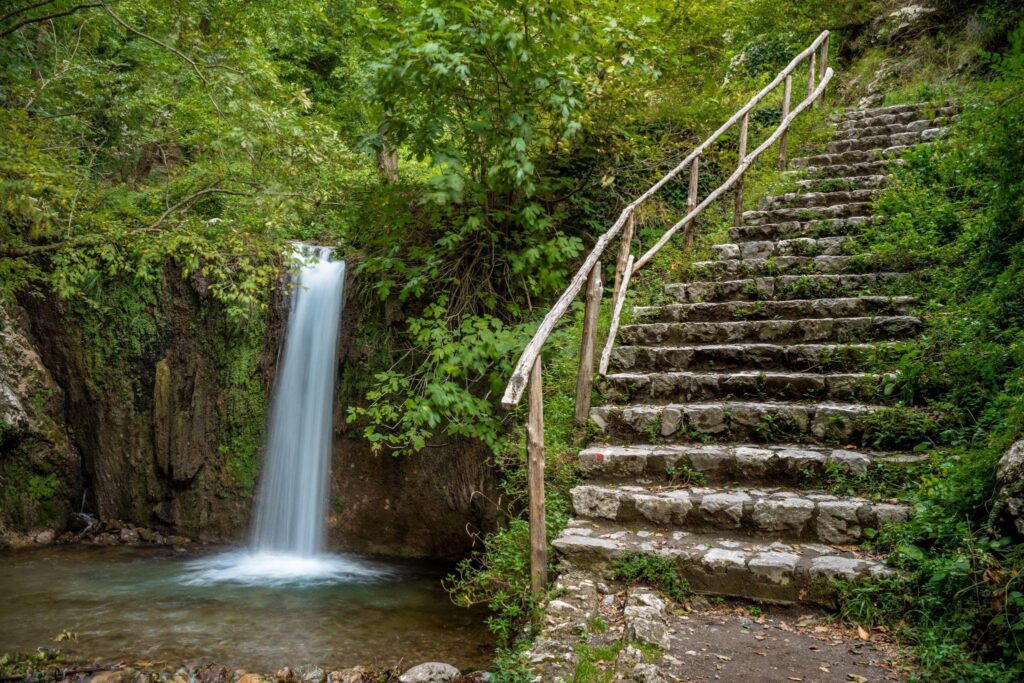
Discover the Ferriere Valley with a local guide
For those who really want to know the history and nature of the valley, a guided trekking allows you to cross the Reserve, see waterfalls and rare vegetation and know the remains of the ancient carts.
What is the Ferriere Valley?
The Valle delle Ferriere is a deep valley located behind Amalfi and between the territories of Amalfi and Scala, within the Regional Park of the Lattari Mountains.
The area is known for the presence of a particularly humid natural environment, crossed by the Canneto stream and characterized by waterfalls, springs and very rich vegetation.
The name comes from ancient ferries present in the valley, where water was used as a driving force for iron processing.
The valley tells two stories at the same time: that of nature and that of the ancient economy of Amalfi.
Why visit the Ferriere Valley
The Ferriere Valley is not simply a scenic path.
It is especially interesting for the combination of:
- waterfalls and water courses;
- lush forests and vegetation;
- rare ferns;
- ancient mills;
- remains of the ferries;
- old aqueducts and hydraulic structures;
- lemonades;
- testimonies of the ancient economy of the Amalfi Republic.
The Municipality of Agerola describes the route as an itinerary in which you will encounter waterfalls, ruins of mills, cartiers and ferries, as well as rare botanical species.
The nature of the Ferriere Valley
One of the most interesting aspects of the valley is its particular microclimate.
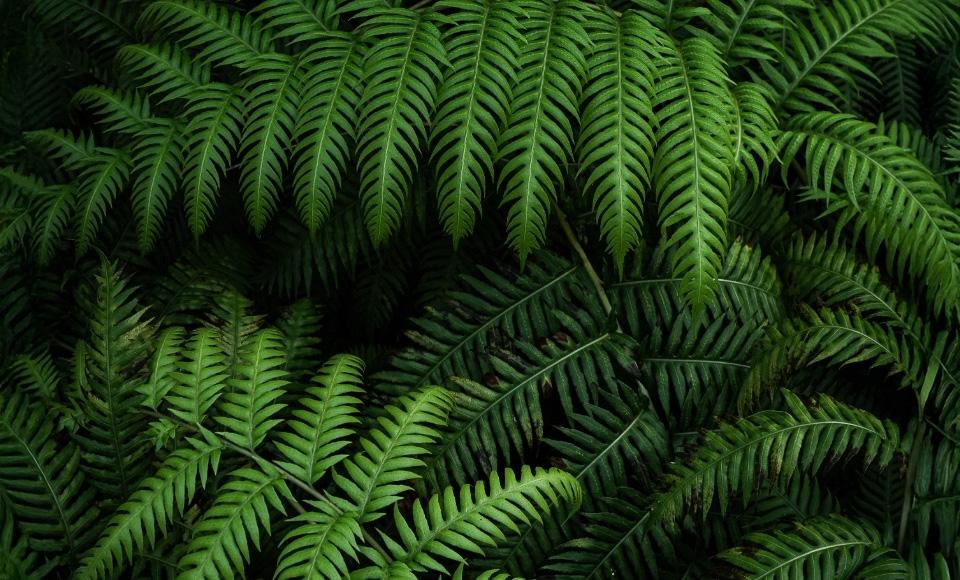
The moisture and protection offered by the reliefs have favoured the survival of very ancient plant species, including the Woodwardia radicans, a large fern considered one of the most important testimonies of the preglacial flora present in the area.
In the valley there are also other ferns and a fauna linked to the humid environments.
Among the animals reported in the area are the Peasant salamander and the rare Salamandrina with glasses.
The waterfalls of the Ferriere Valley
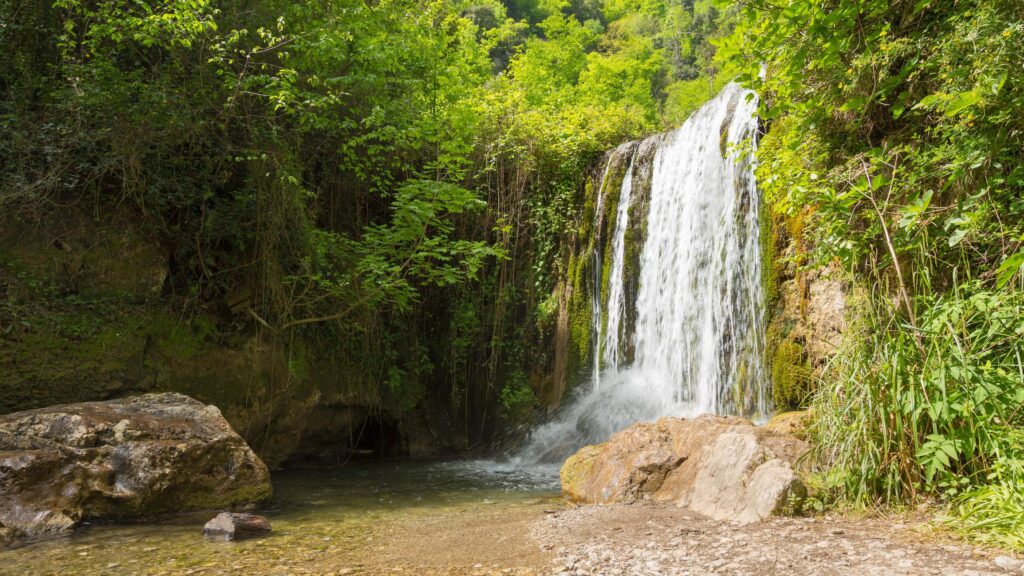
Water is one of the most characteristic elements of the route.
The stream and its tributaries cross the valley creating small jumps, waterfalls and wells immersed in the vegetation.
The constant presence of water contributes to creating that almost tropical atmosphere that makes the Ferriere Valley so different from the coastal landscape that meets a few kilometers lower.
The ancient ferries and industrial history of the valley
Trekking is not only naturalistic.
Along the paths you will find the remains of ancient structures that used water as a source of energy.
Among these are mills, mills, aqueducts and ferries.
The ferrier that gave the name to the valley was used for iron processing. The material also came from the Island of Elba and was transported to the valley, where the water of the stream provided the necessary energy to the production process.
It is one of the aspects that make this path particularly interesting: as you walk in nature, you also cross the traces of the ancient productive civilization of Amalfi.
Valle dei Mulini and Valle delle Ferriere: what is the difference?
Often the two names are used together, but indicate different parts of the same valley system.
The lower part is traditionally associated with Valley of the Mills, while the highest area takes the name of Valle delle Ferriere.
The route allows you to read the valley as a unique natural and historical landscape, in which water has played a fundamental role both for nature and for productive activities.
How to get to the Ferriere Valley from Amalfi
One of the most interesting aspects is that the valley can be reached directly from the centre of Amalfi.
The CAI 325 trail part from Piazza Flavio Gioia and climb through the Valley of the Mills towards the Reserve area.
The CAI currently indicates the path with difficulty E – hiking, a length of about 3,2 km and an indicative time of about an hour on the way and 50 minutes on the return.
From Pontone to the Ferriere Valley
Another very well known possibility is to start from Pontoon, fraction of Scala.
The route allows you to gradually descend towards the valley through a completely different environment from the coastal centre.
It is one of the most interesting options for those who want to turn the visit into a true excursion through the Lattari Mountains. The UNESCO heritage of the Coast also reports Pontone as one of the main accesses to the valley.
Do you want to go trekking without worrying about the route?
You can choose a guided tour of the Ferriere Valley by local guide, starting from Amalfi, Pontone or other points of the Coast.
How difficult is the trekking of the Valle delle Ferriere?
The difficulty depends on the chosen path.
It is not an urban walk and you have to consider:
- stairs;
- irregular soil;
- dirt sections;
- difference in level;
- crossings and presence of water;
- bottom that can become slippery;
- need of suitable shoes.
What to bring
For a day in the Valle delle Ferriere I recommend:
- trekking shoes;
- water;
- comfortable clothing;
- a light jacket;
- cargo phone;
- possibly trekking poles.
Trekking shoes are particularly important in wet and uneven traits.
How long does it take to visit the Ferriere Valley?
For a simple excursion along one of the main routes you should consider at least half a day.
The actual time depends on the starting point, the chosen route, the stops and the possible guided tour.
An organized tour currently proposed on GetYourGuide takes about 3 hours, while other trekking arrive at about 5 hours.
For this, if you want to visit it without haste, the best solution is to consider the Ferriere Valley as a half-day experience, not as a simple attraction to see in half an hour.
When is the best time to visit the Ferriere Valley?
The valley has different characteristics than the beaches of the Coast.
Its fresh and humid environment can be particularly pleasant even in warmer periods, but precisely because of the presence of water some traits can be more slippery.
Spring is interesting for vegetation, while summer allows you to look for a more fresh natural experience than the center of Amalfi.
In every season it is important to check the state of the trails before departure, especially after intense rains.
Valle delle Ferriere: free hike or guided tour?
Both possibilities make sense.
Autonomous excursion
It is the choice for those who have trekking experience and want to freely manage time and route.
Guided Tour
It is particularly interesting for those who want to understand what they are seeing.
A guide can in fact explain the history of the ancient mills, the ferries and the hydraulic system, as well as the characteristics of the vegetation.
Is the Ferriere Valley suitable for children?
It depends on age and habit to walk.
I wouldn't introduce her as a classic family attraction with a stroller.
The land, the stairs, the altitude difference and the hiking environment require more attention than a visit to the centre of Amalfi.
For older children accustomed to mountain walks can instead become a beautiful experience in nature.
What to see near the Ferriere Valley
The location allows you to combine trekking with some of the most important attractions of Amalfi.
After the excursion you can visit:
- Cathedral of Amalfi
- Museum of the Charter of Amalfi
- Valley of the Mills
- historic centre of Amalfi
- Marina Grande
- the beaches of Amalfi
deepen your visit by reading our guides:
🔗 Cathedral of Amalfi ➡️
🔗 Museum of the Charter of Amalfi ➡️
🔗 Beaches of Amalfi ➡️
🔗 What to see in Amalfi ➡️
🔗 How to get to Amalfi ➡️
🔗 Where to park in Amalfi ➡️
In particular, the link with the Museum of the Charter It is very natural: the route from the centre of Amalfi to the Valle delle Ferriere passes right from the area of the ancient mills and the museum.
Where is the Ferriere Valley?
It is located behind Amalfi, between the territories of Amalfi and Scala, within the Lattari Mountains.
Can you reach the Ferriere Valley from Amalfi?
Yes. One of the main routes departs from the centre of Amalfi, from Piazza Flavio Gioia.
How long is the trail from Amalfi?
The CAI indicates for path 325 about an hour on the way and 50 minutes on the return, with a length of about 3.2 km.
Is the Ferriere Valley difficult?
The CAI 325 path is classified E – hiking. It should therefore not be considered a simple tourist walk.
Are there waterfalls in the Ferriere Valley?
Yes. Water and waterfalls are among the characteristic elements of the valley environment.
Can you visit the Nature Reserve?
Yes, but it is necessary to distinguish the normal path from access to the specific area of the Oriented Nature Reserve, which may be subject to specific authorization or conditions. Before the visit it is therefore important to check the updated access methods.
Valle delle Ferriere: another face of the Amalfi Coast
The Ferriere Valley demonstrates how much the experience of the Amalfi Coast is wider than the only seaside resort.
Here there are no beaches, plants or panoramic terraces: there are water, woods, ancient factories, lemon groves and paths.
It is one of the experiences I would recommend especially to those who want to see a more authentic and less tied coastline to seaside tourism.
Experience the Ferriere Valley with a guided trekking
Discover waterfalls, forests, ancient cartiers and the unique nature of the valley accompanied by a local guide.

